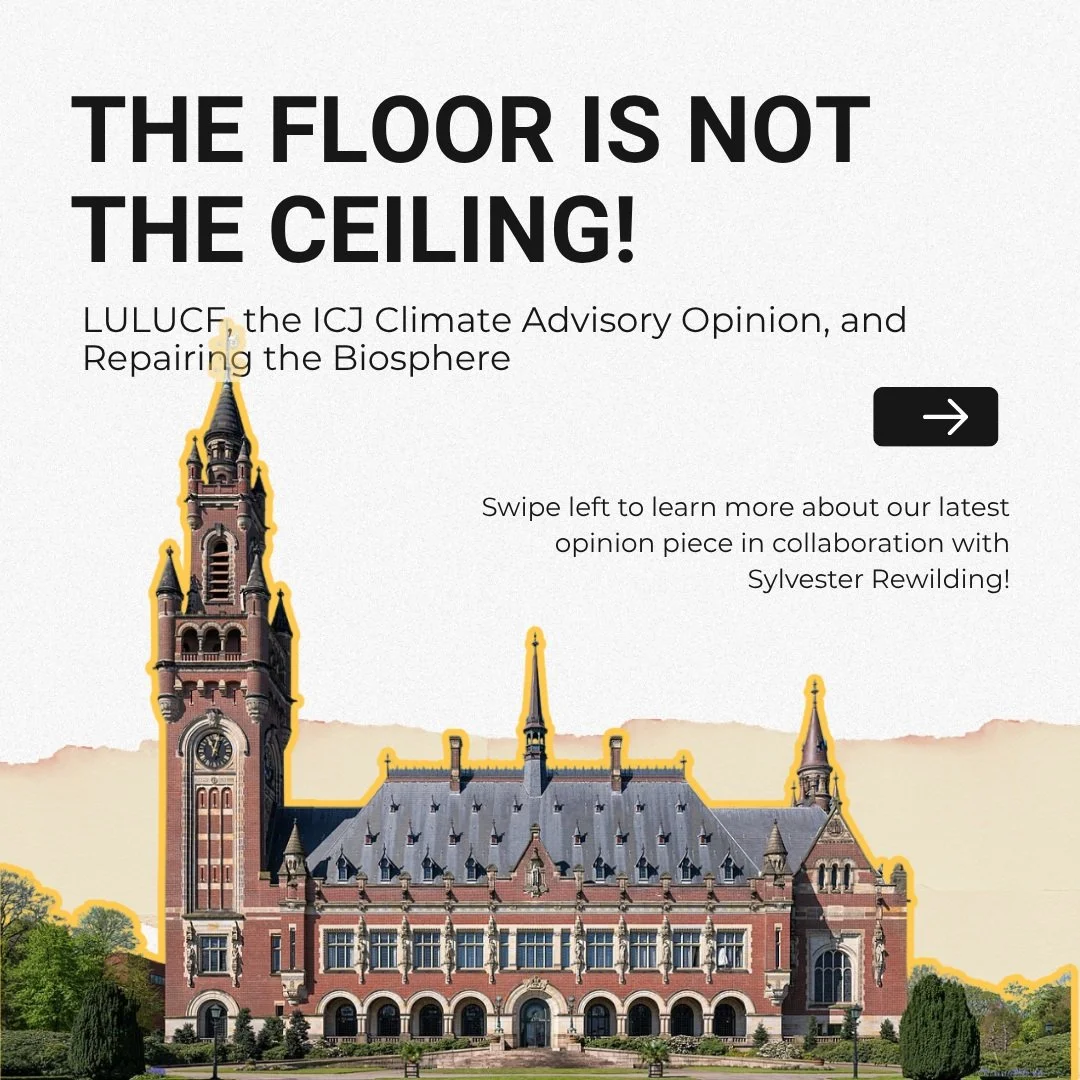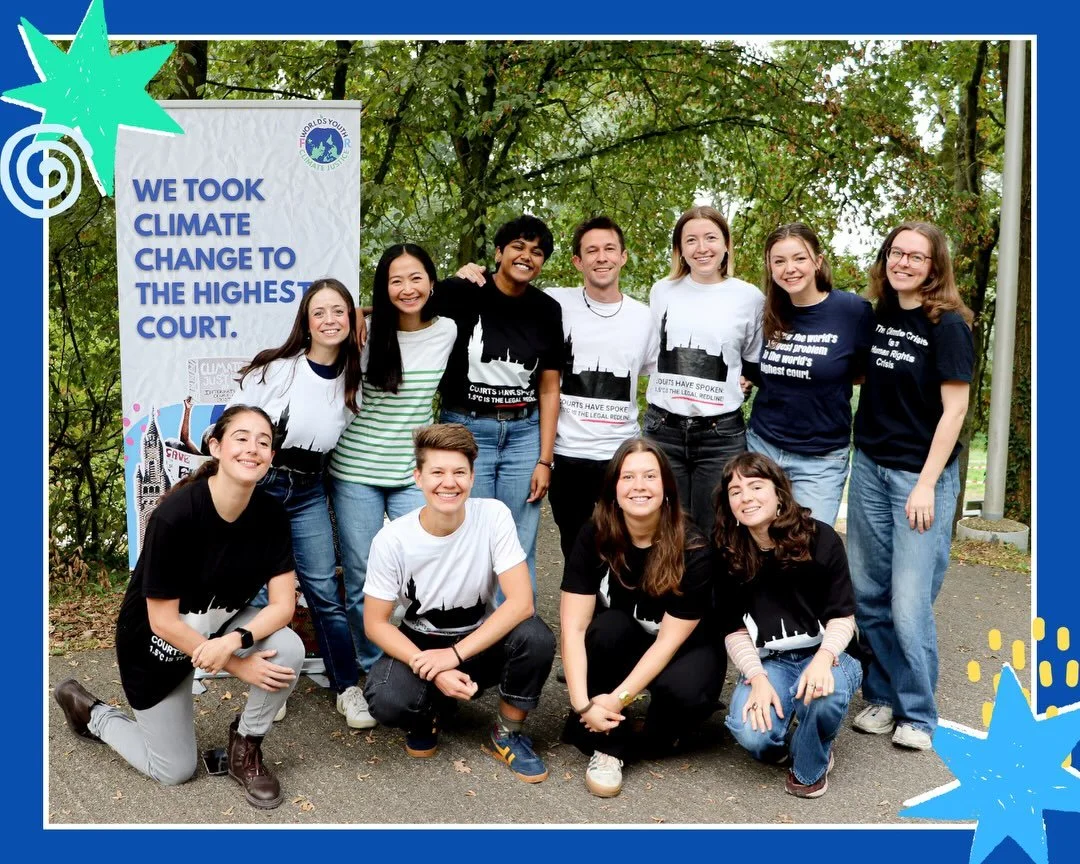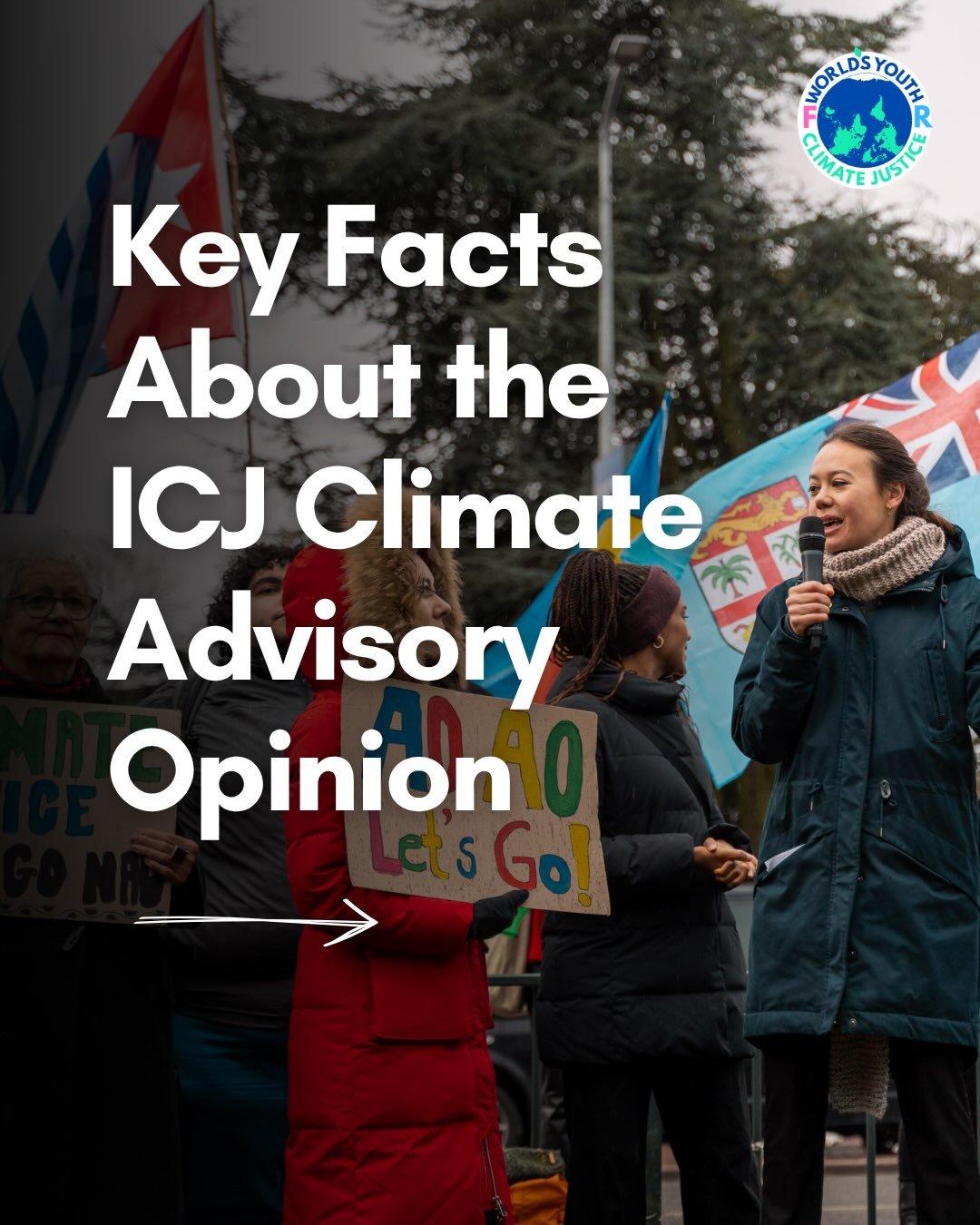
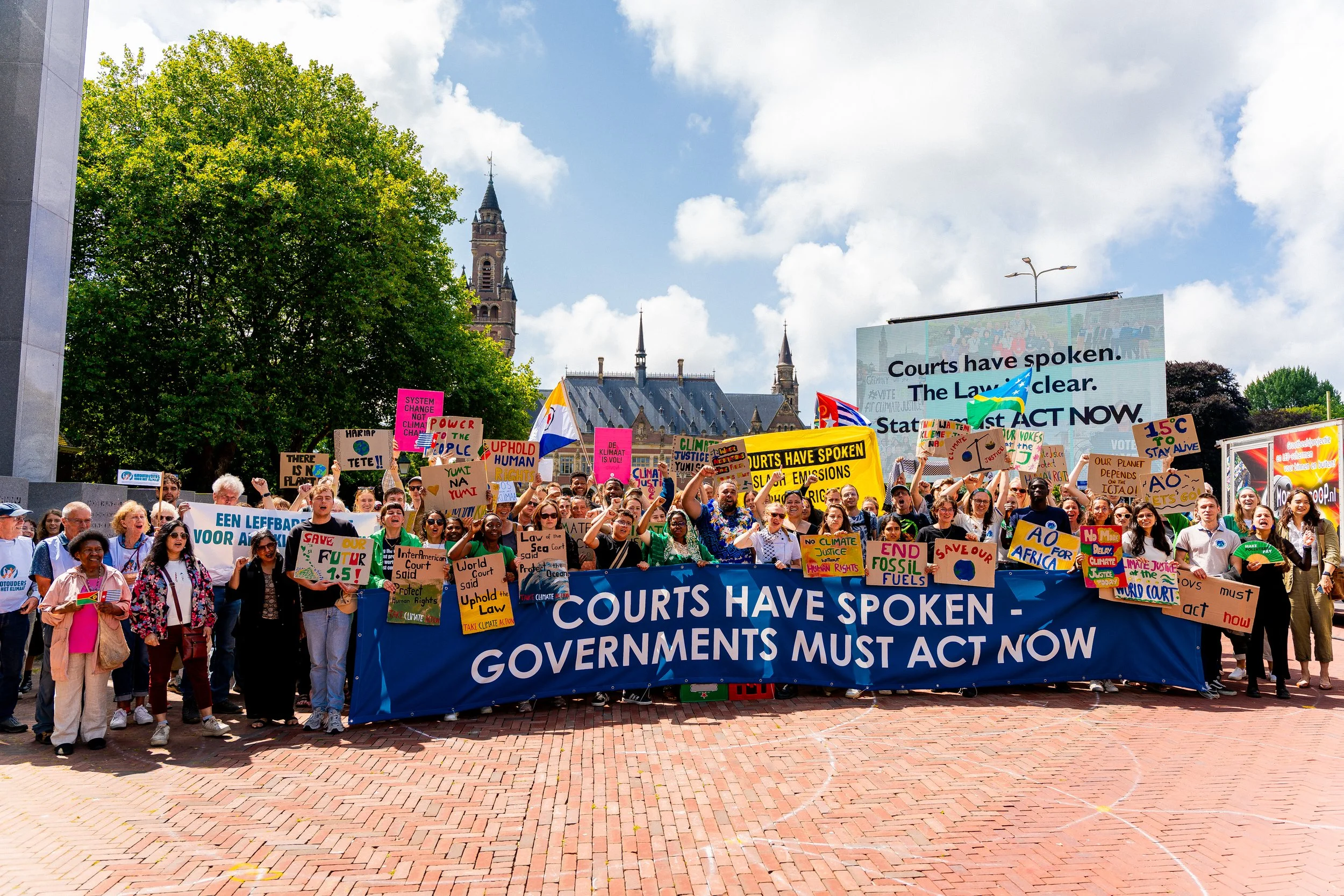
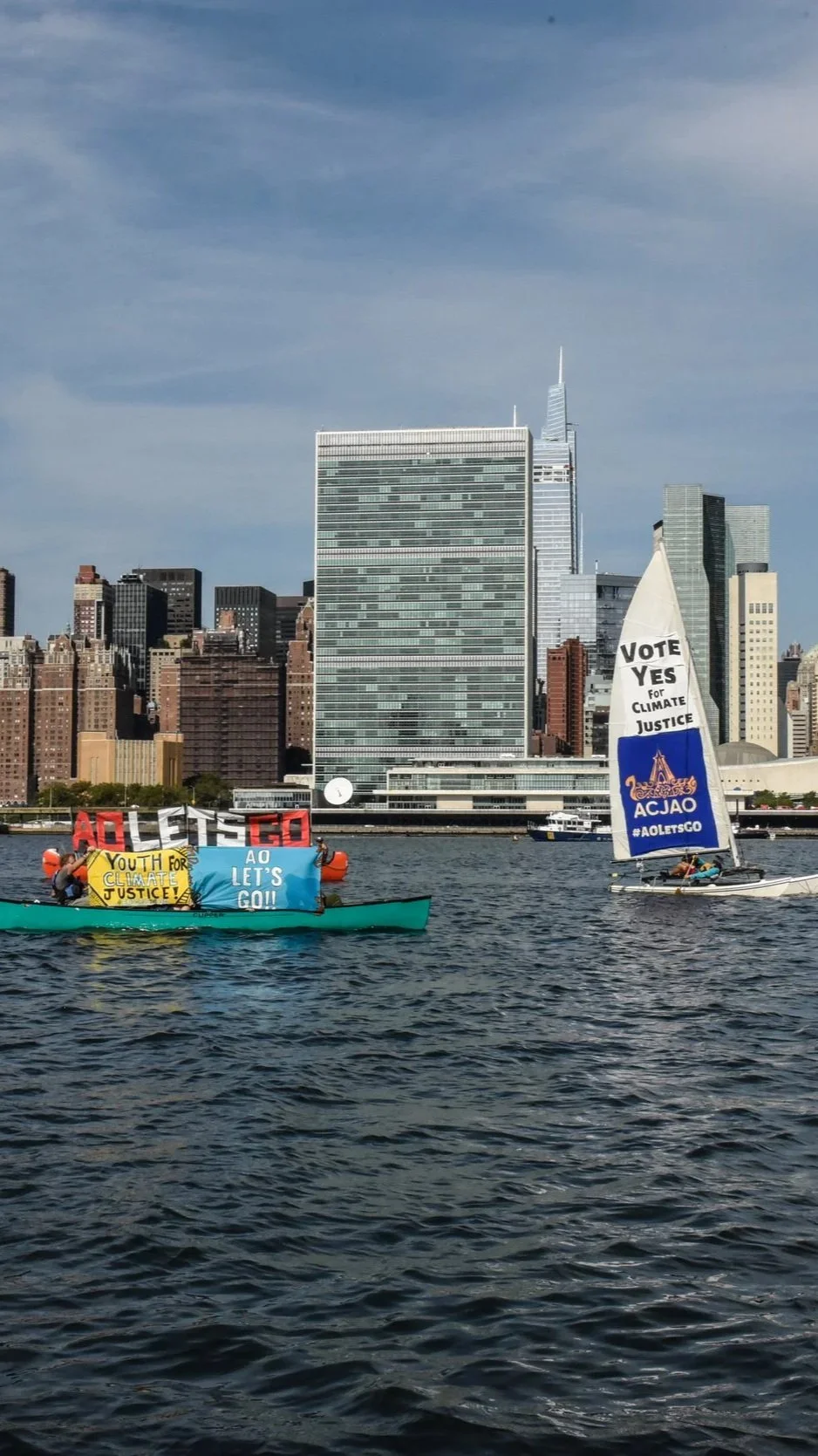
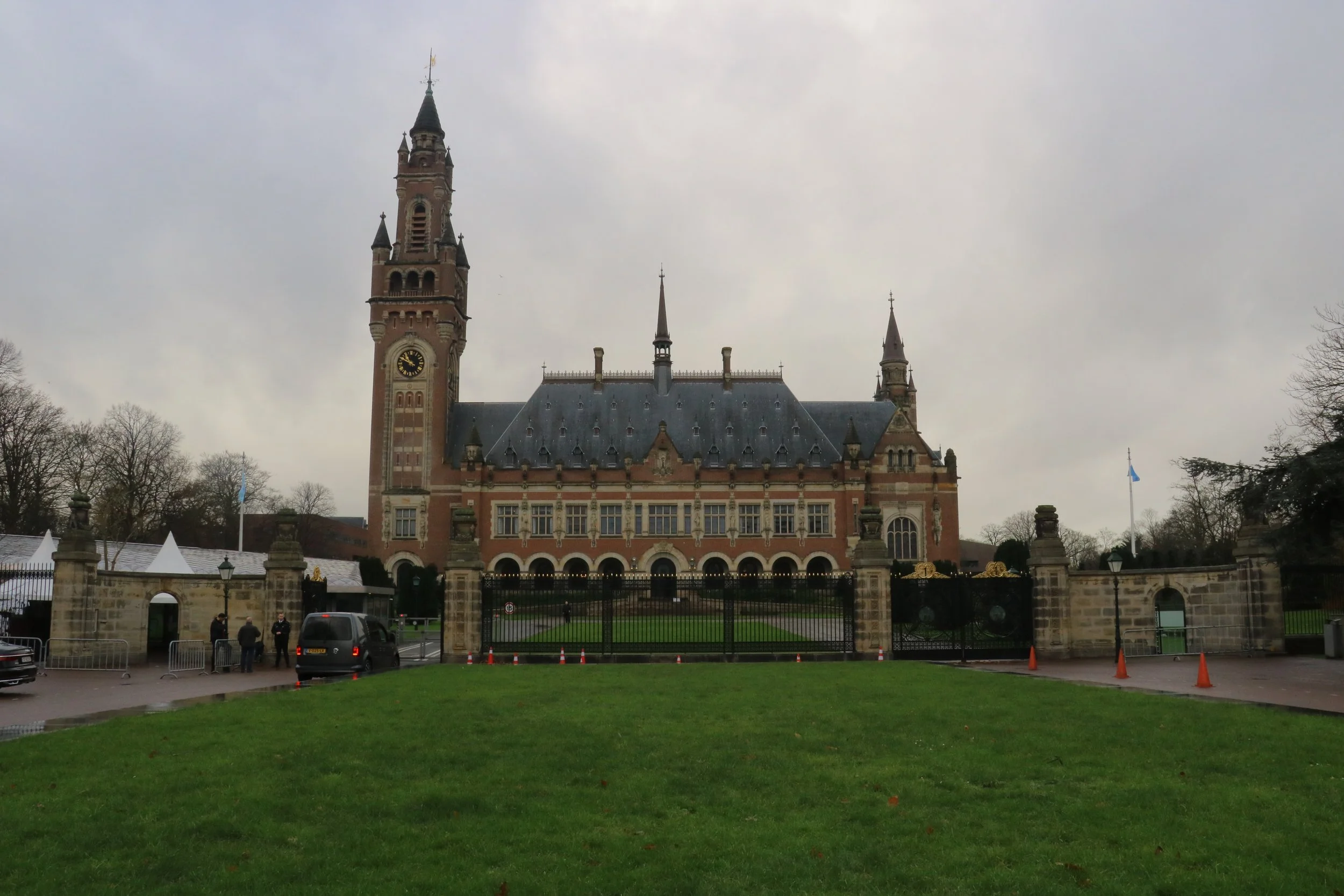
World’s Youth for Climate Justice (WYCJ) led a years-long global campaign to take climate change and human rights to the International Court of Justice (ICJ) to get an advisory opinion (AO) – and with success! On 23 July 2025, the ICJ delivered a historic climate ruling outlining States' obligations under international law regarding climate change. The Court set out the applicable law governing States' duties to address climate change and the legal consequences of inaction.
One year later, as governments, courts, civil society, communities, and advocates begin translating the ICJ AO and other landmark climate rulings into action, one question remains: what comes next?
World’s Youth for Climate Justice is bringing law from paper to people, for communities and generations to come. Through strategic legal interventions and litigation, youth capacity-building & coordination, and legal and policy framework implementation, we are advancing the implementation of the historic climate ruling from the world’s highest court.
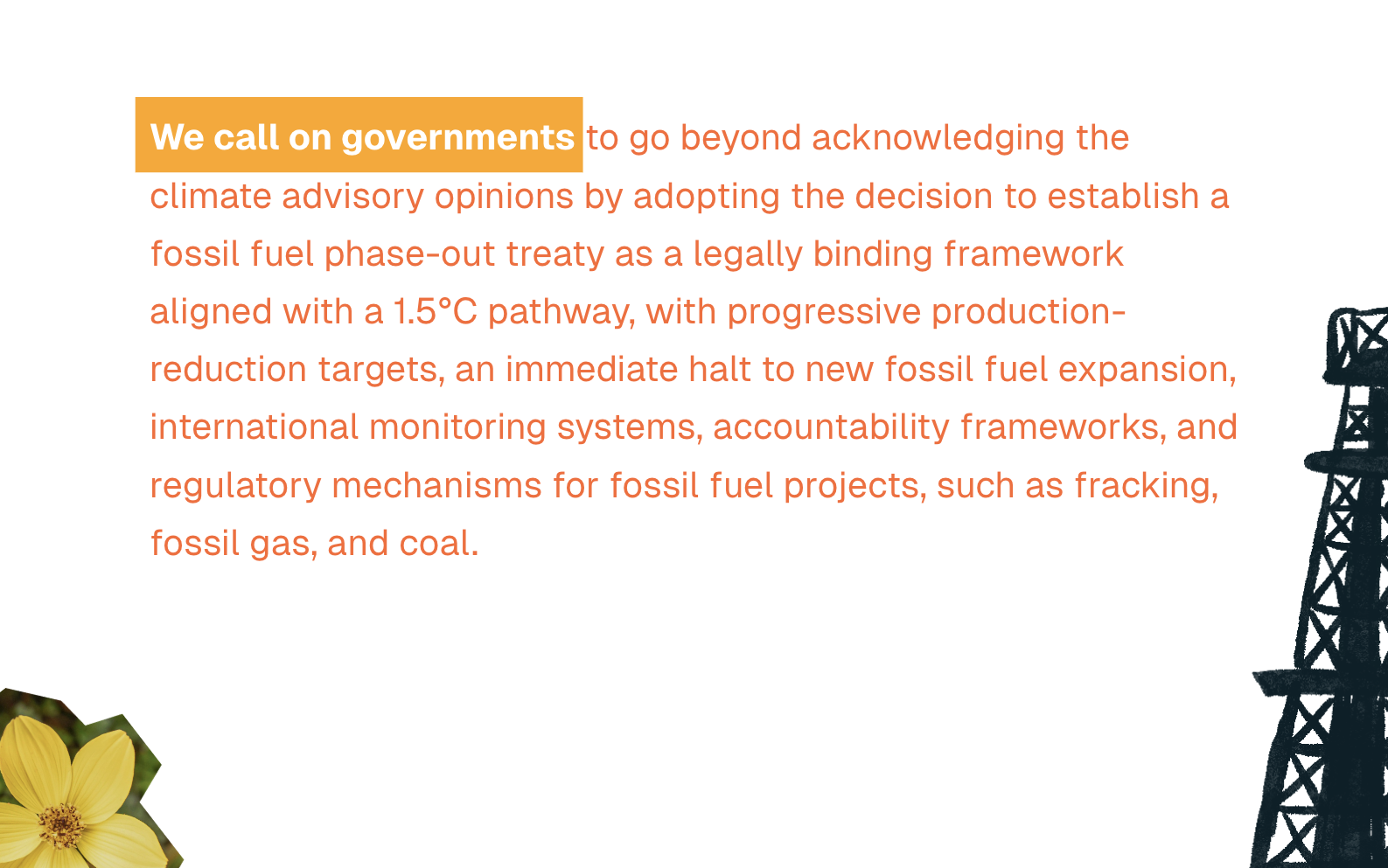
From ICJ AO to climate action
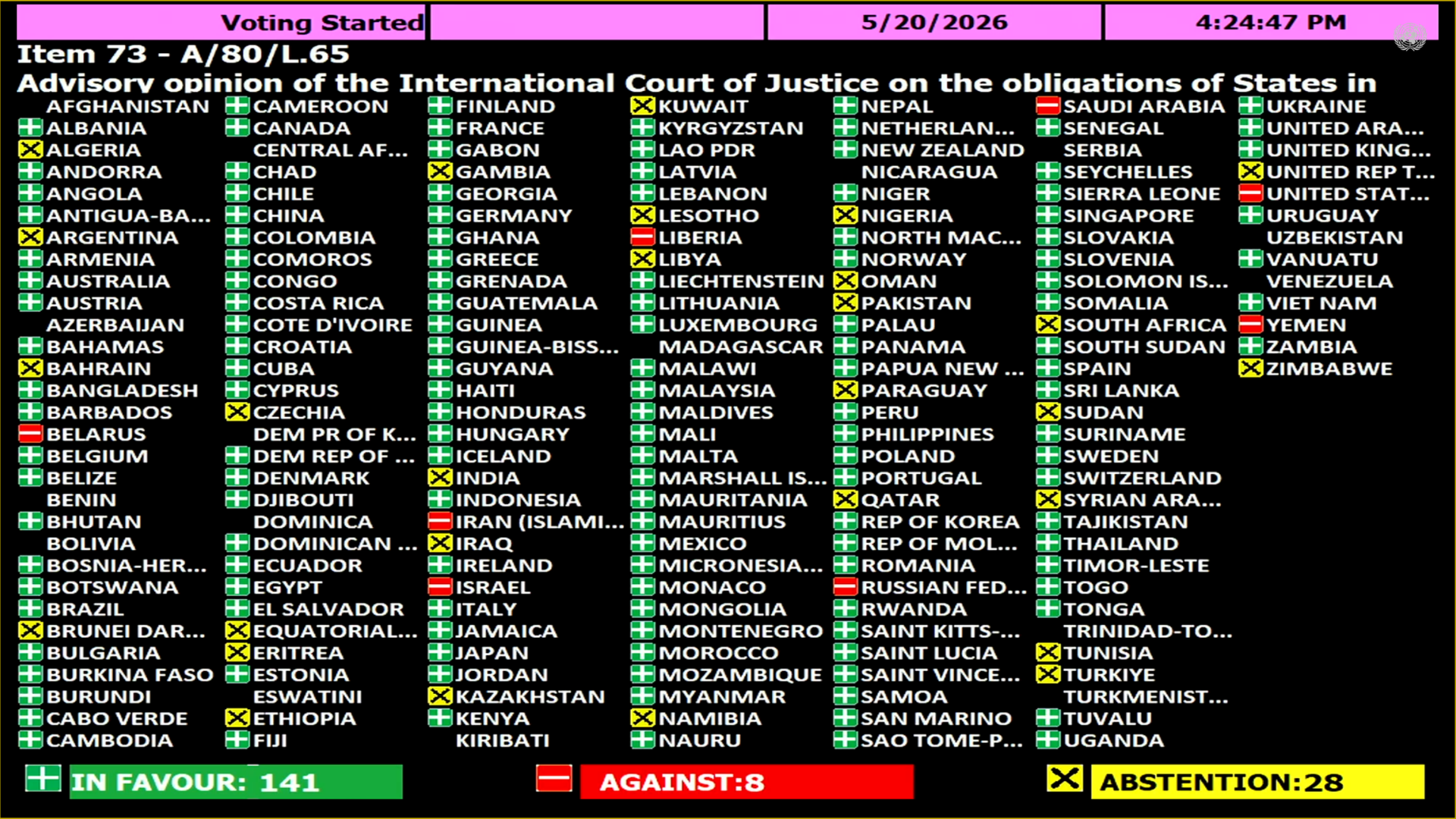
UNGA Resolution
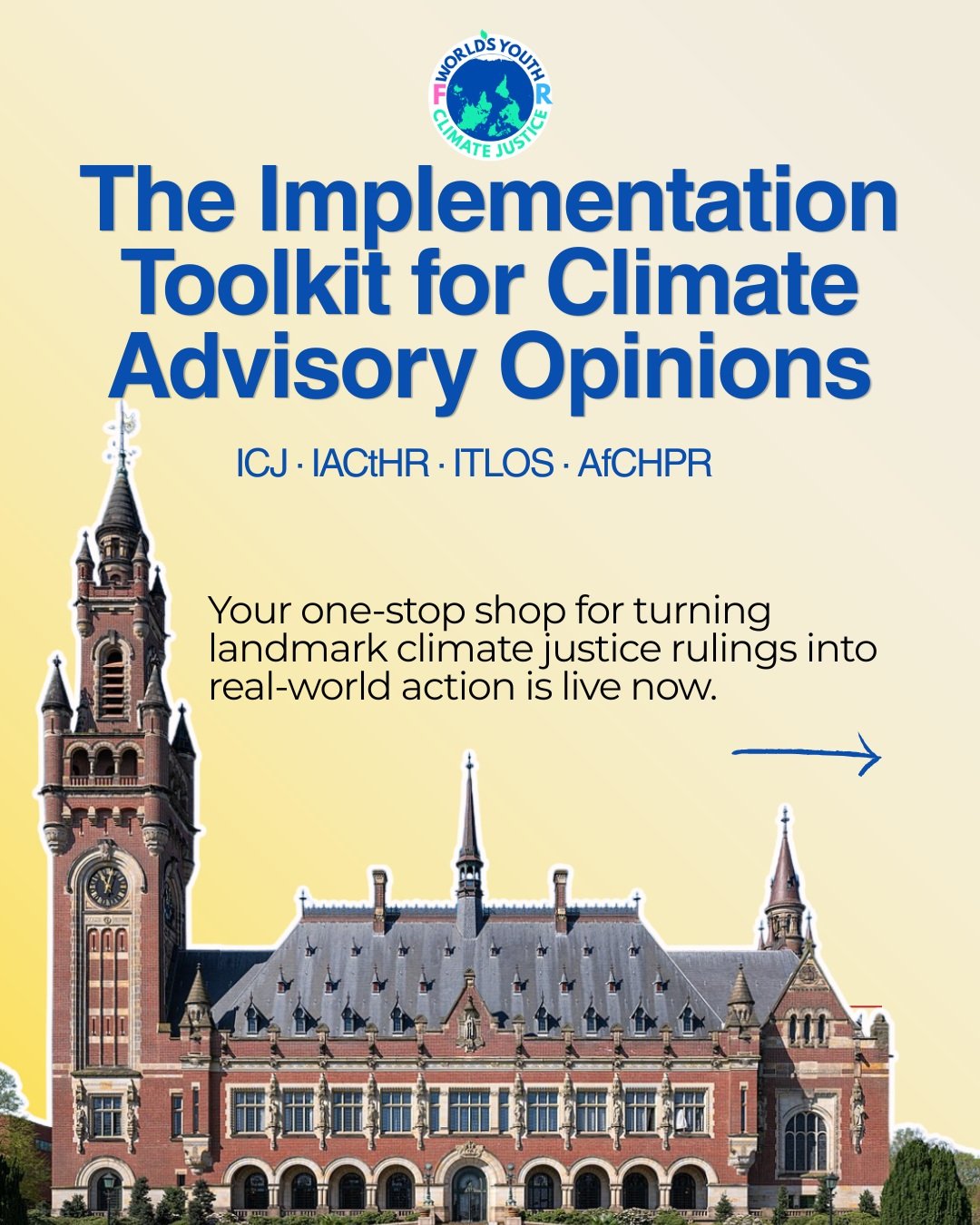
Implementation Toolkit
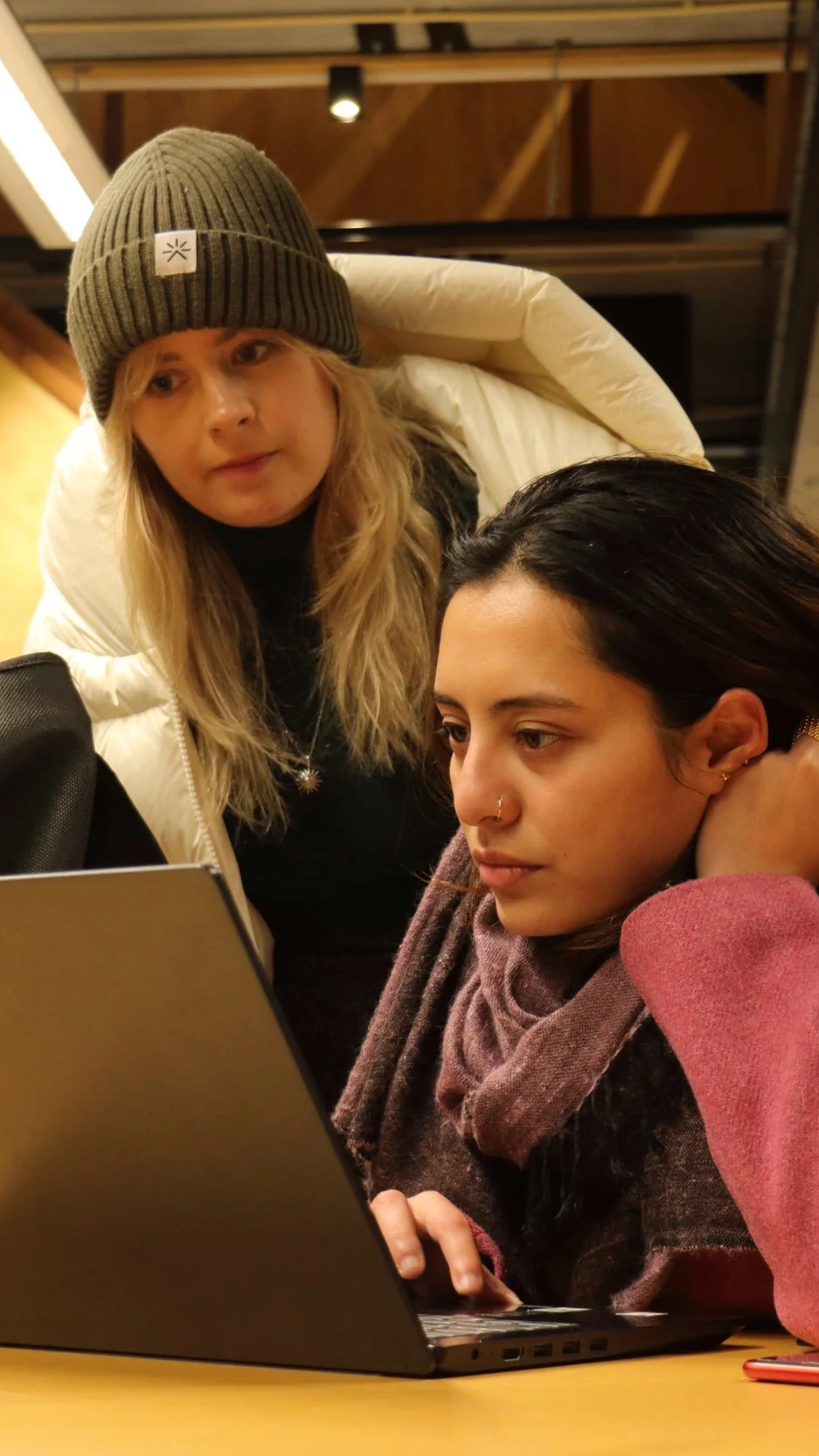
Legal Blog
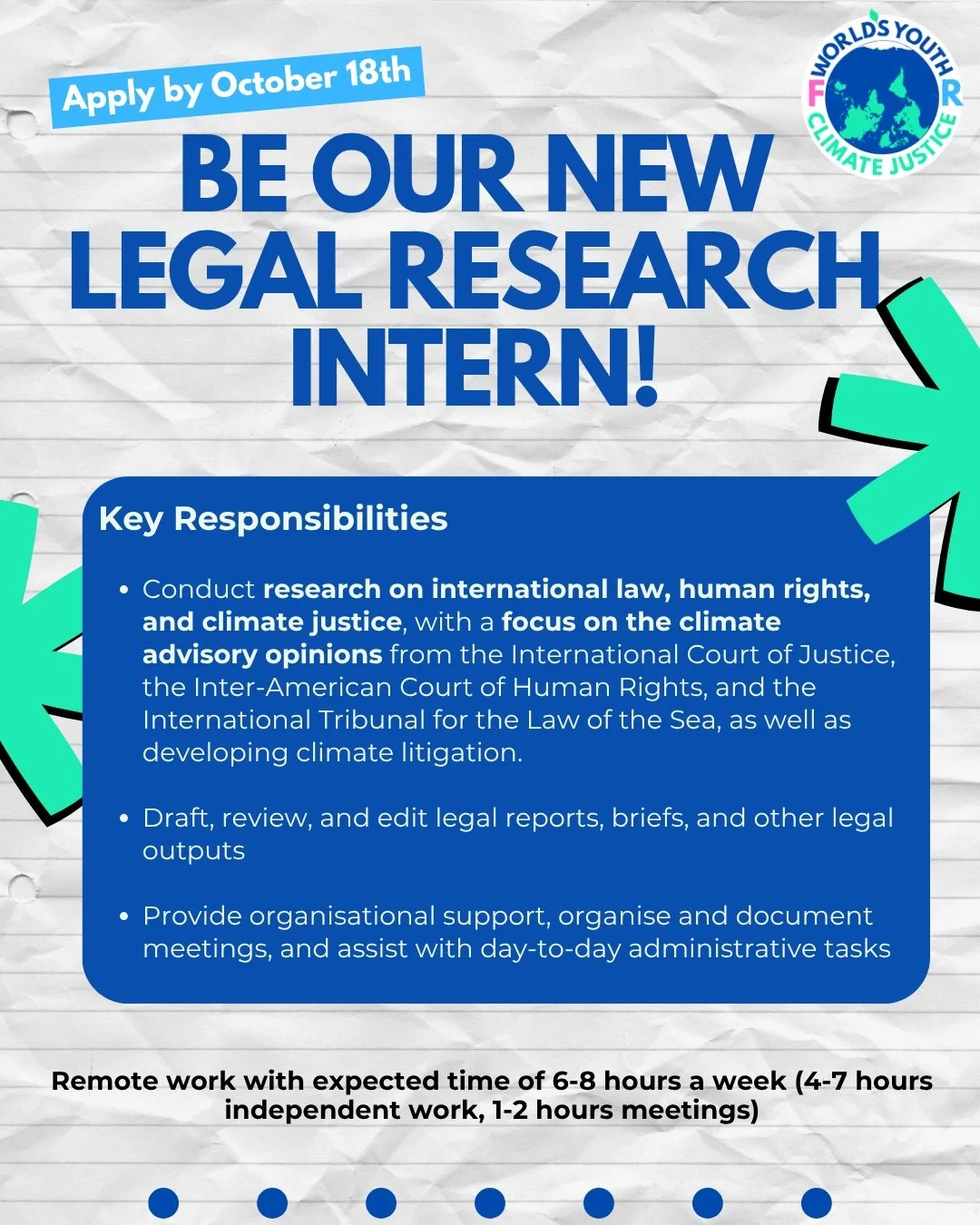
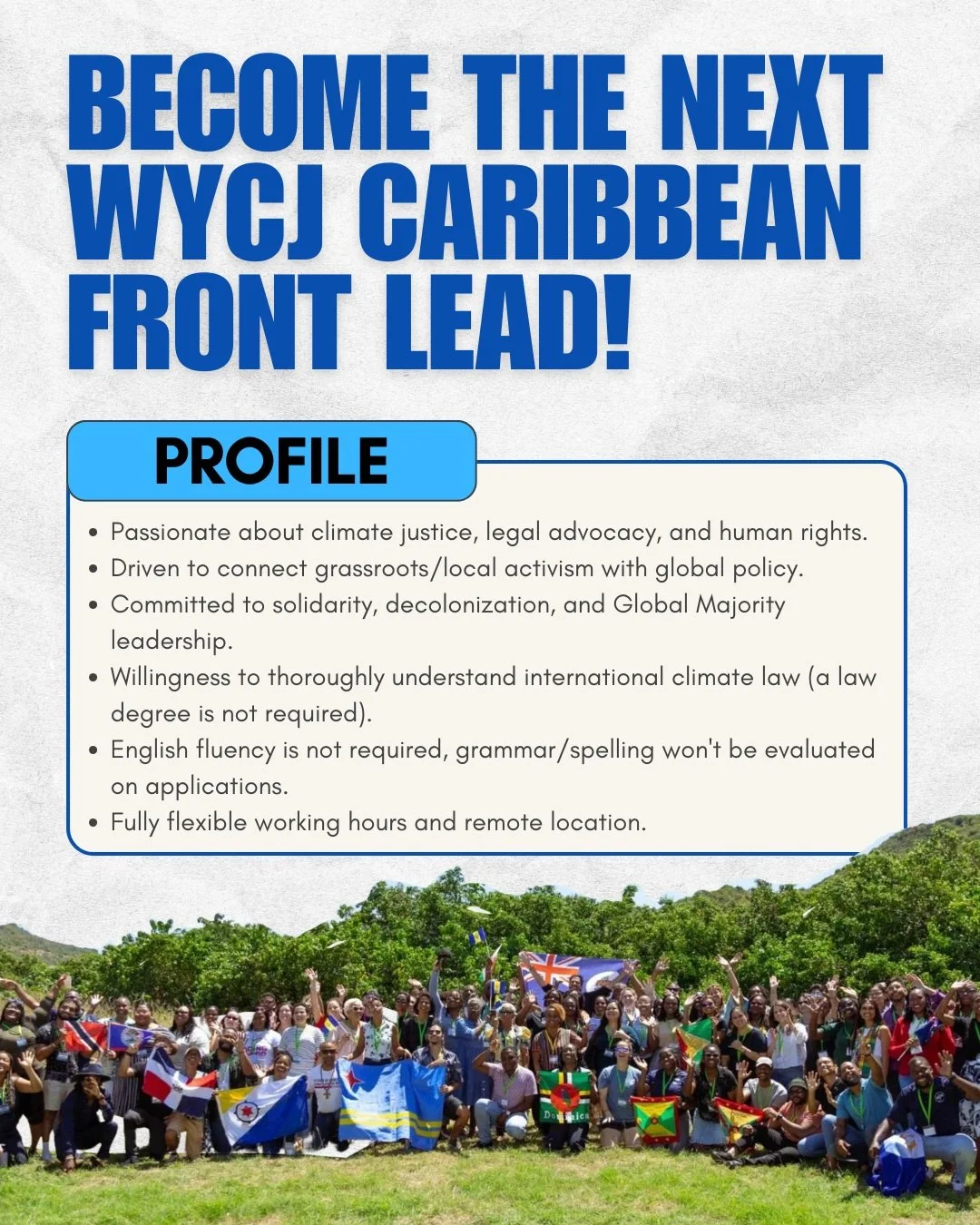
Join the team, become our Legal Research Intern!
We are seeking a passionate, dedicated, and organised intern to join our global team – an exciting opportunity for someone interested in international climate law, legal advocacy, and climate action! The intern will work remotely and support the global team with crucial legal research on international law and climate justice, as well as organisational tasks. In turn, they will receive mentorship from climate advocates and legal experts and gain hands-on experience in legal research and climate justice advocacy. Apply by 31 October, 2026.
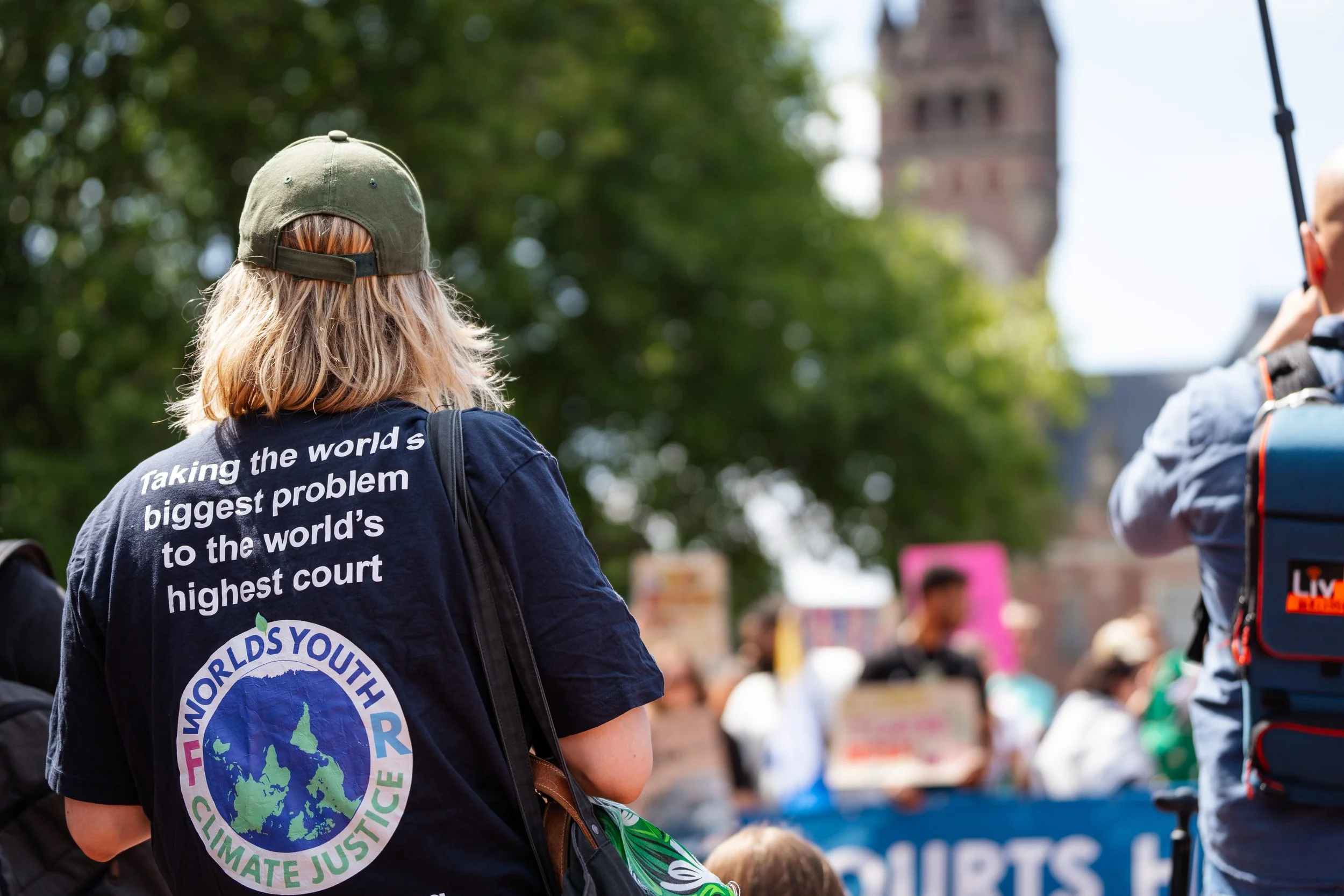
Read our latest blog posts
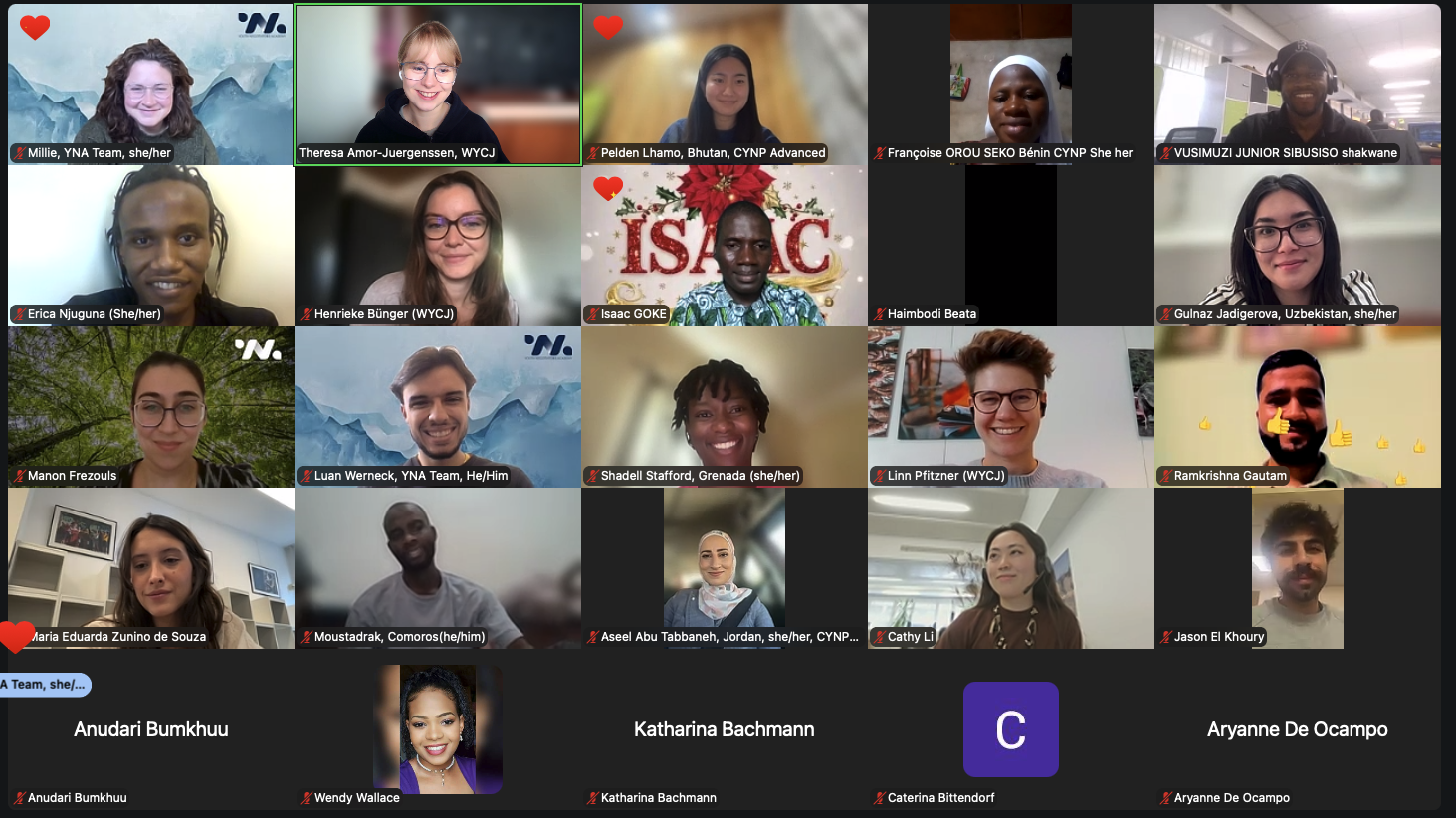


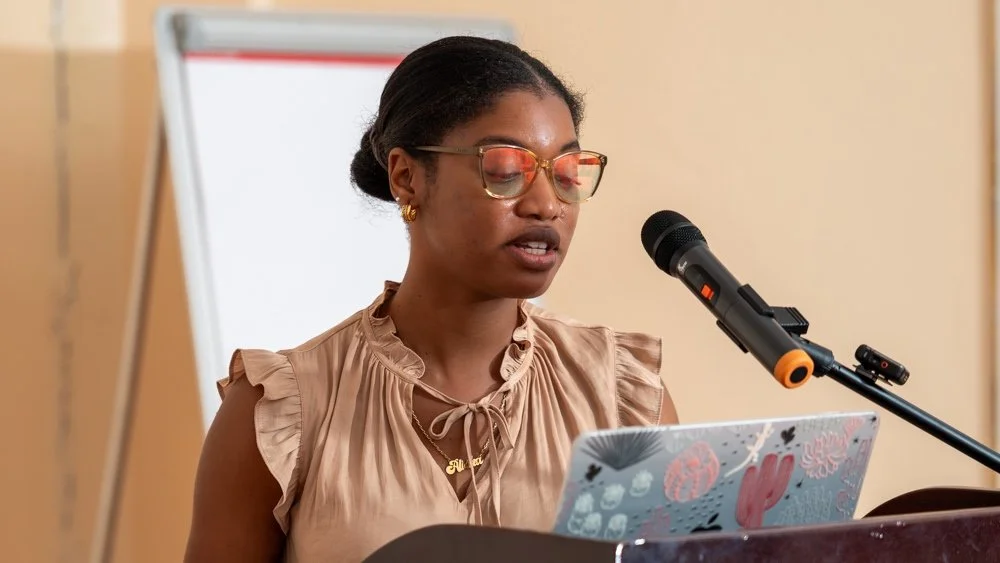
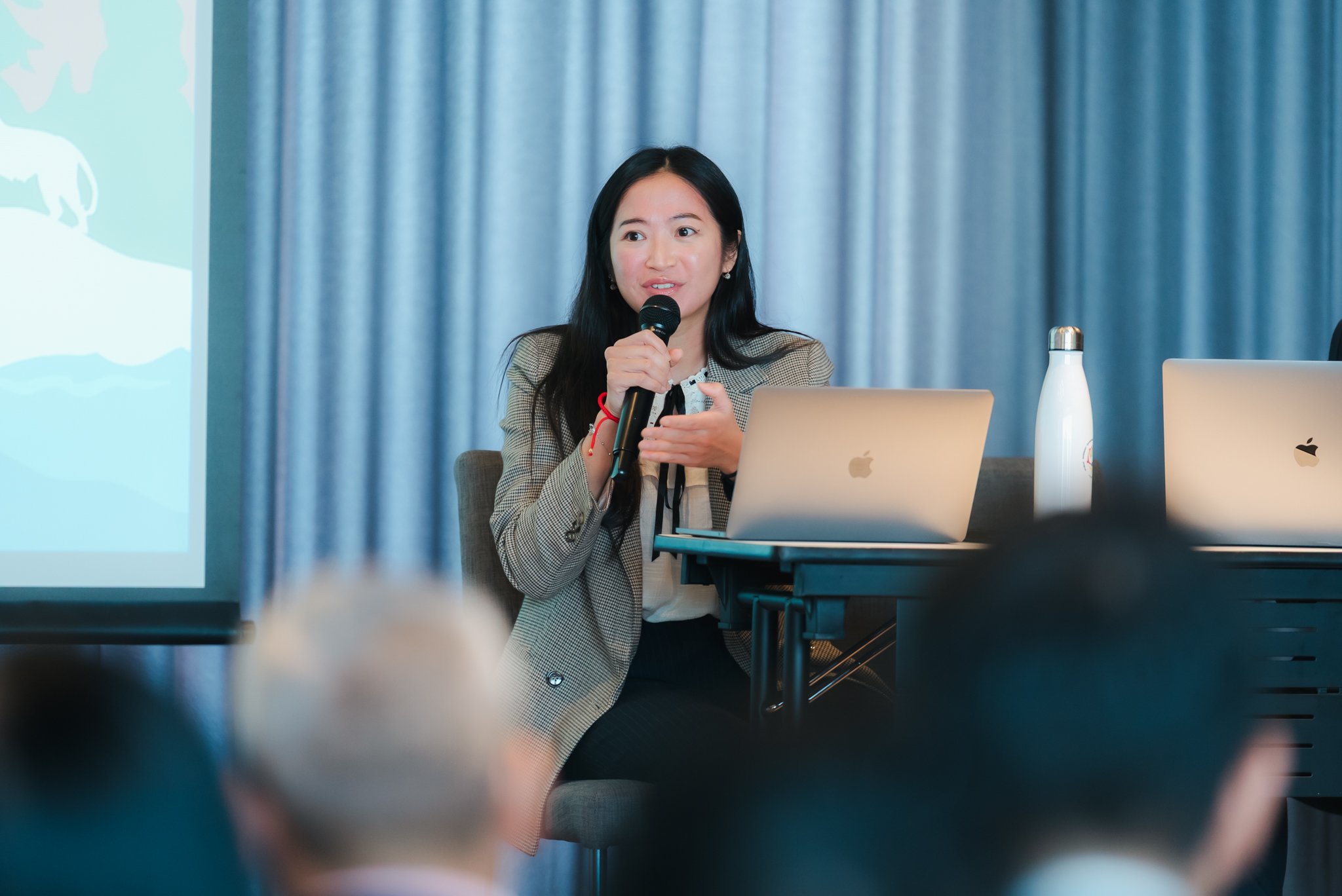
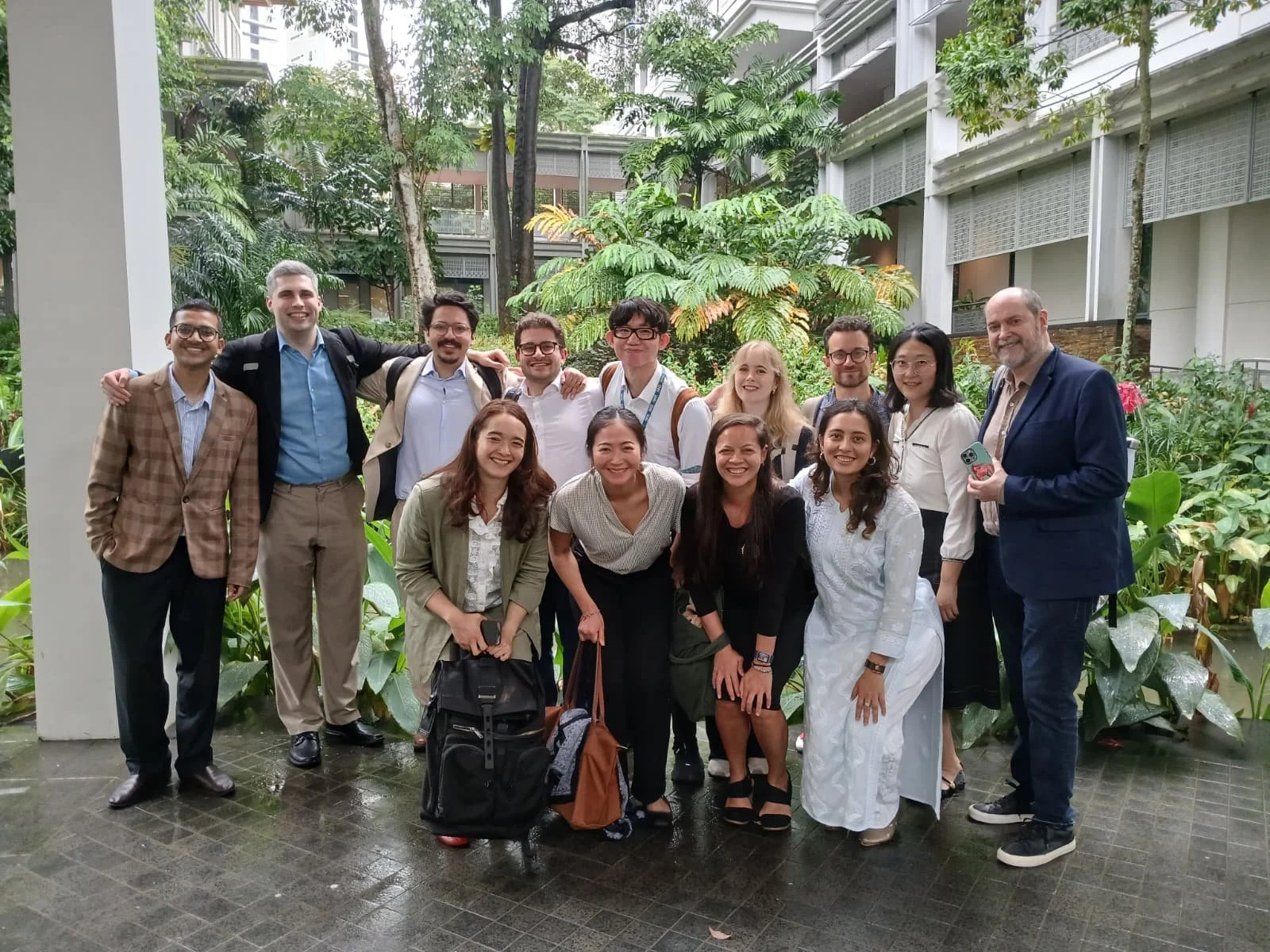


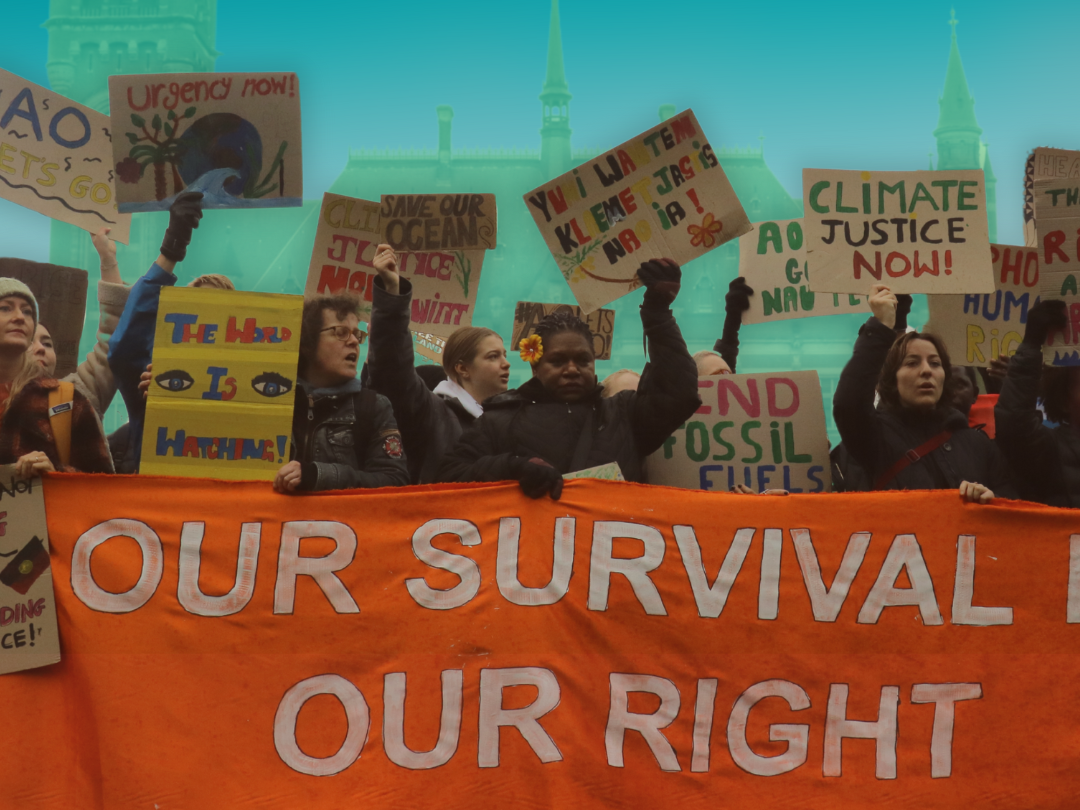


Our Team
-

Steering Committee
-
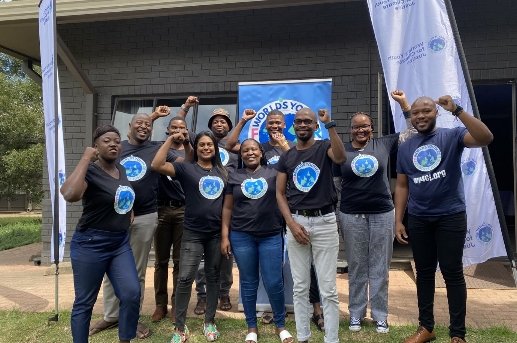
Africa
-
Asia
-

Caribbean
-
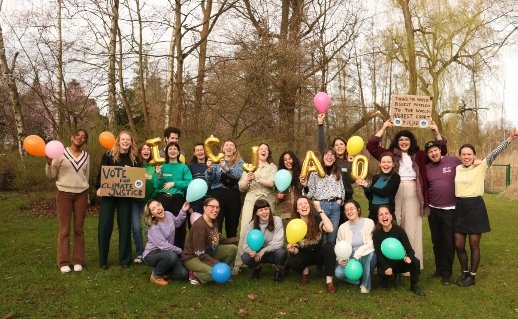
Europe
-

Latin America
-

Global Legal Taskforce
Follow us on social media!