The UNGA Resolution to Welcome and Operationlise
the ICJ AO
On 6 February, 2026, the Government of Vanuatu introduced the zero draft of the United Nations General Assembly (UNGA) resolution to endorse the International Court of Justice’s advisory opinion (ICJ AO) on the Obligations of States in respect of Climate Change, which was delivered by the Court on 23 July, 2025.
The draft resolution, which has received contributions from a cross-regional core group of States, had been shared with all UN Member States and was further discussed during informal consultations in New York. The final text of the resolution was released on 1 May, 2026. On the same day, Vanuatu announced the possibility for States to co-sponsor the resolution and that the resolution was going to be tabled at the UNGA on 20 May, 2026.
The resolution aims to operationalise the International Court of Justice (ICJ)’s findings, ensure legal clarity, and build pathways to advance and enhance multilateral cooperation and responsibility. The initiative reinforces four core principles:
Endorses the Court’s findings;
Strengthens climate obligations;
Puts the opinion into practice;
Advances implementation and accountability.
“In the current geopolitical context, sustained commitment to the rule of law is more important than ever,” noted Ralph Regenvanu, Minister of Climate Change of Vanuatu. “Climate change is no exception. Upholding the Court’s clarification of existing obligations is essential for the credibility of the international system and for effective collective action.”
We have supported the resolution from the start, as it truly moves the ICJ advisory opinion forward in tracking the implementation of State accountability. We called upon all States to support the international rule of law by co-sponsoring and voting in favour of the resolution in the United Nations General Assembly. On 29 March 2023, history was made when more than 130 of them voted for the resolution that enabled the ICJ AO – the first time a UNGA resolution for an advisory opinion was adopted by concensus. Three years later, we hoped to see similar levels of support for the new UNGA resolution.
On 20 May, 2026, States listened to the call of CSOs worldwide and adopted the UNGA resolution A/RES/80/263 (draft A/80/L.65) that welcomes and operationalises the groundbreaking climate justice advisory opinion by a majority vote.

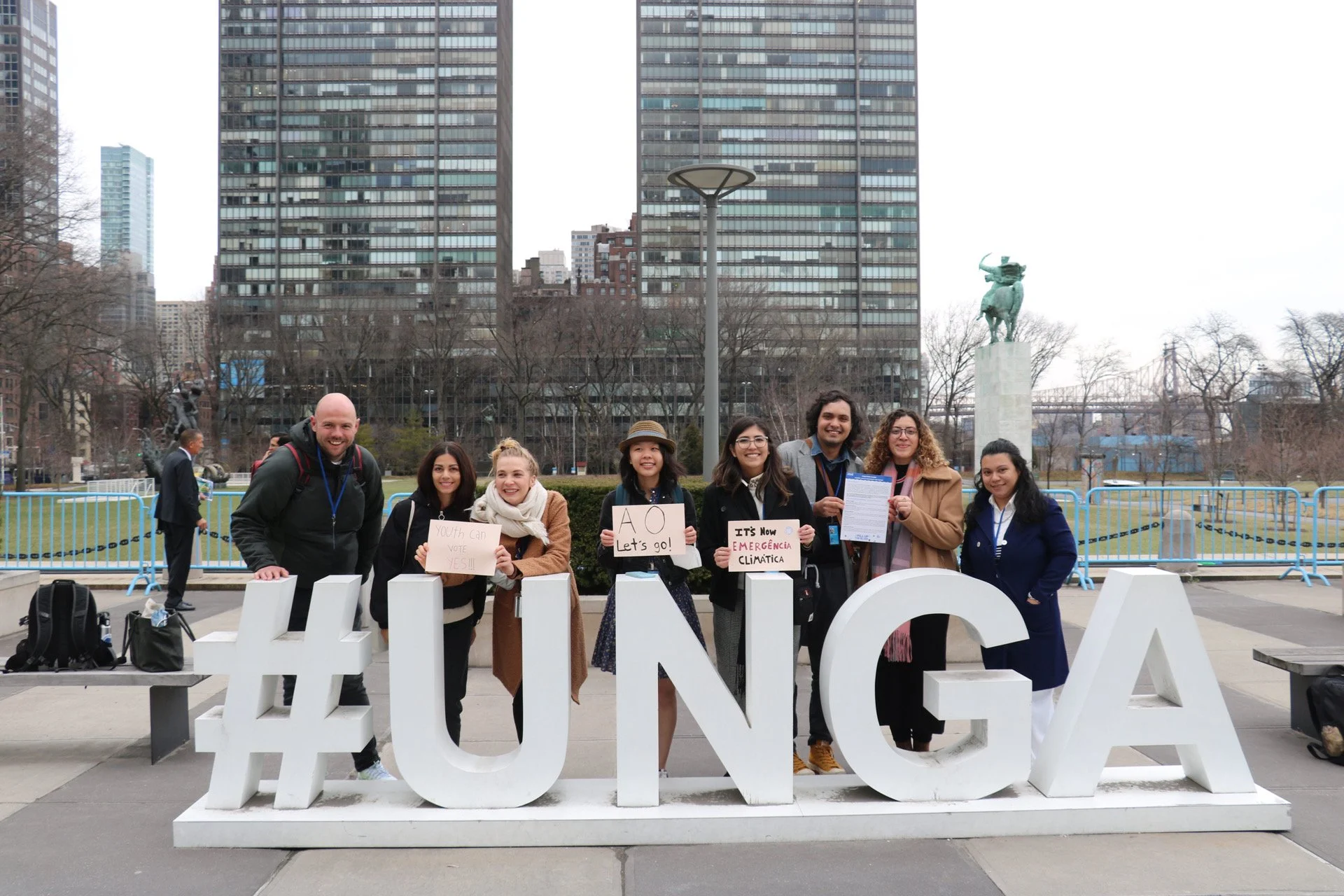
We Came in Action!
Since States had to make the decision to co-sponsor the UNGA resolution, it was of utmost importance that we all shared with rest of the world and our government representatives that the groundbreaking climate change advisory opinion from the ICJ must be fully endorsed by adopting the strongest possible resolution for the planet and its people.
WYCJ co-created the Advocacy Package that came with useful resources such as a Template Letter that could be sent to State representatives to co-sponsor the resolution and a Social Media Package with useful graphics and captions to inform and engage your audience.
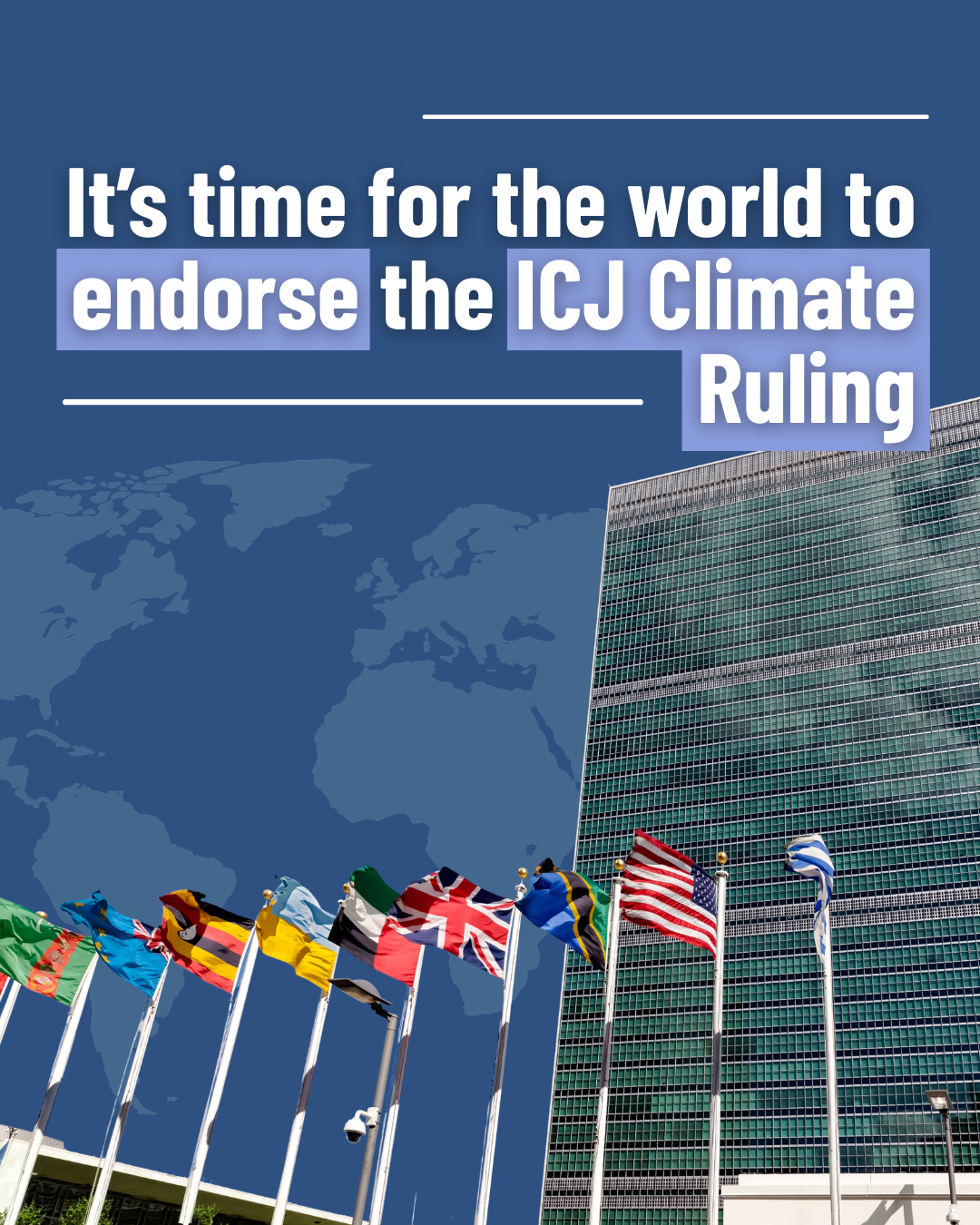
Youth led the way: the ICJ has spoken, the law is clear – now the world must act
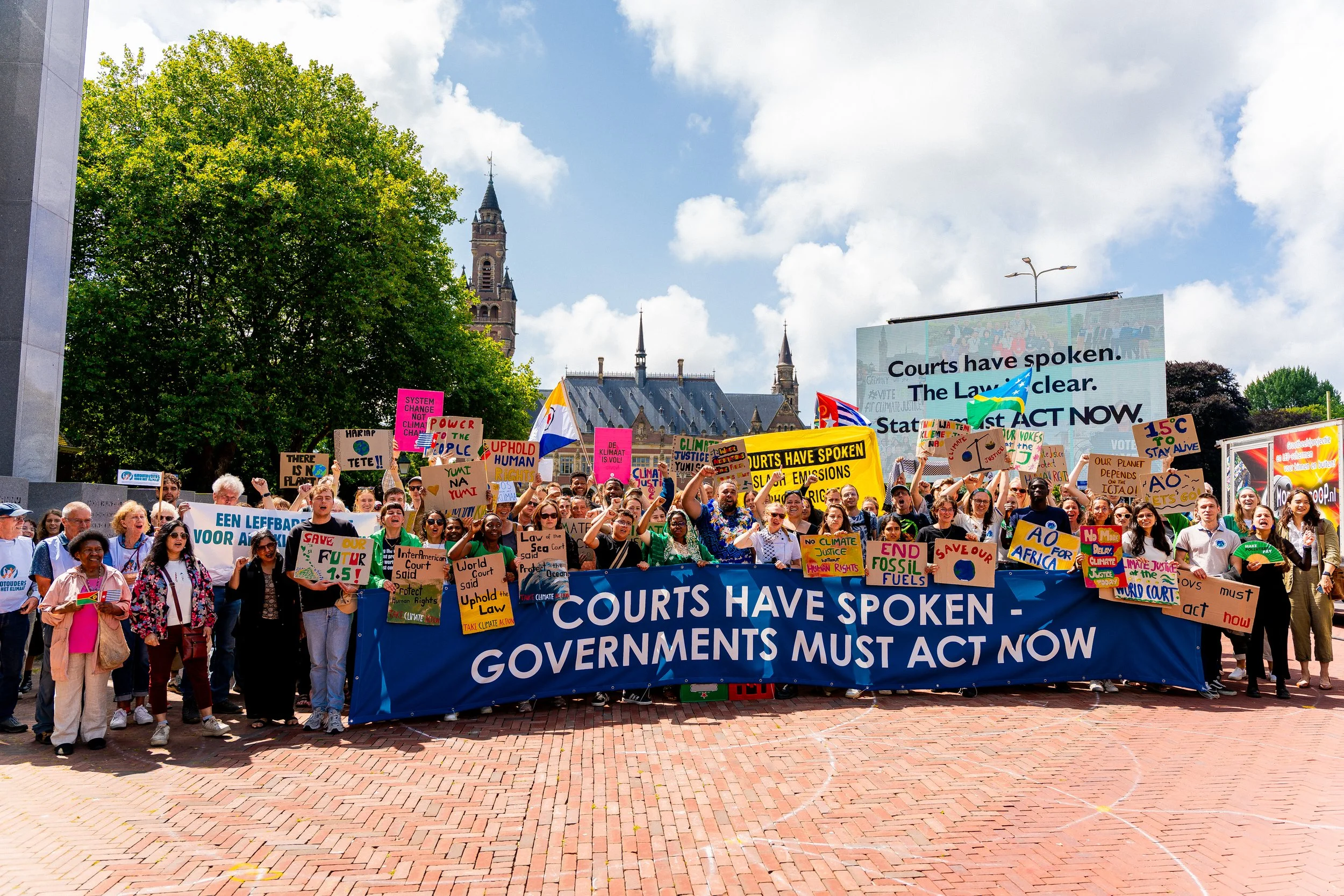
The climate crisis is a lived injustice, hitting hardest those least responsible. The historic ICJ Advisory Opinion on climate change – driven by those most affected – clarified States’ legal duties and obligations. Now, the herculan task is turning that clarity into real-world impact. The upcoming United Nations General Assembly resolution, led by Vanuatu, is a political momentum that must be seized.
In our latest blog, our Global Advocacy Lead Nicole Ann Ponce shares how the UNGA resolution could play several key roles to operationalise the climate ruling from the world’s highest court.
Climate Justice, Accountability, and the Caribbean’s Future

For Caribbean nations, climate change is not a future possibility. It is a lived reality. Across our region, communities are facing stronger hurricanes, coastal erosion, coral reef decline, saltwater intrusion, biodiversity loss, food insecurity, and growing economic pressure from climate-related disasters. Caribbean countries continue to spend billions rebuilding after storms intensified by warming oceans while contributing only a tiny fraction of global greenhouse gas emissions. At the same time, the international system has often failed to deliver climate action at the speed or scale vulnerable countries need.
In her opinion piece, our Caribbean Front Lead Ashawnté D. Russell shares how the UNGA resolution is of utmost importance for the Caribbean region.