Caribbean Civil Society Mobilises for Fossil Fuel Phase-Out: Reflections from Saint Lucia
by Alisha Koulen, Academic Advisor of WYCJ’s Caribbean Front
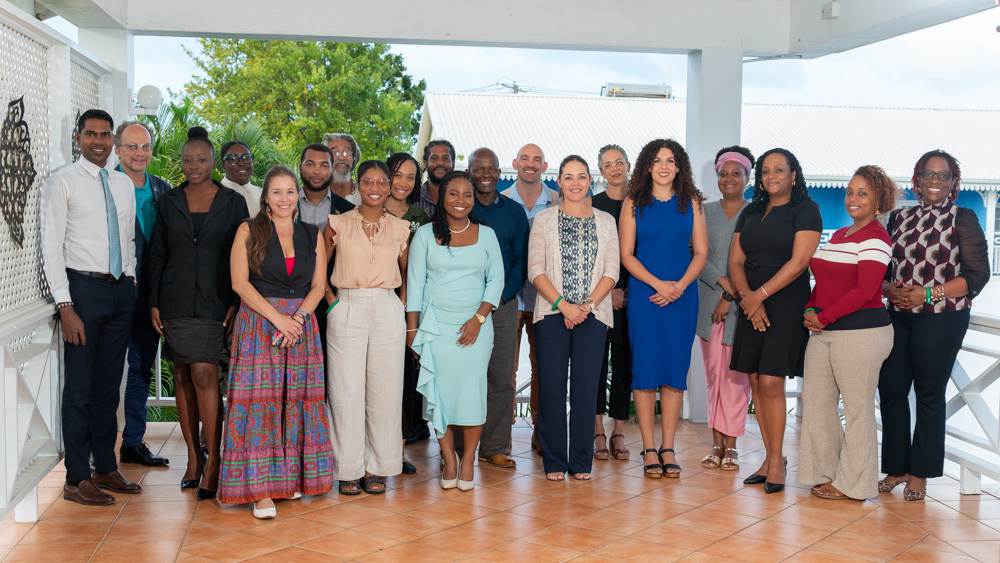
On 2–3 March, 2026, Caribbean civil society and government officials convened in Saint Lucia to chart the region's strategy ahead of the historic First International Conference for the Phase-Out of Fossil Fuels in Santa Marta, Colombia. Supported by the Fossil Fuel Treaty Initiative, this two-day gathering brought together the voices that have long championed climate justice from the frontlines of the climate crisis.
For those of us in the Caribbean climate movement, the convening represented a critical moment to translate the moral and legal victories we have secured into concrete action. Just months after the International Court of Justice advisory opinion on climate change affirmed States' legal obligations to protect the climate system, we gathered to ensure the Caribbean's leadership continues to drive global climate ambition, this time focusing on the issue that is at the heart of the crisis: fossil fuels.
Despite this legal clarity and the global consensus reached at COP28 on transitioning away from fossil fuels, the world remains dangerously off track. According to the 2025 UNEP Production Gap Report presented during the convening, governments project producing 120% more fossil fuels in 2030 than is consistent with the 1.5°C limit. Governance, finance, and implementation modalities remain gridlocked in international climate negotiations.
The Fossil Fuel Treaty Initiative is pioneering a new diplomatic pathway outside the UNFCCC framework. The Santa Marta Conference aimed to explore pathways, scenarios, governance options, and financial mechanisms required to achieve a global just transition.
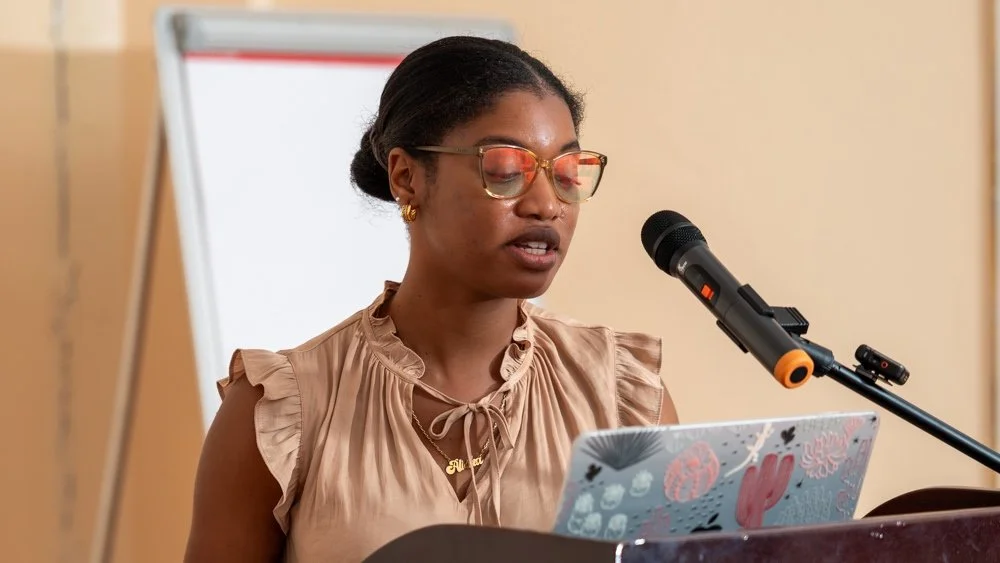
I represented WYCJ’s Caribbean Front at the Civil Society workshop, where representatives from across the Caribbean came together to build a unified regional position. The agenda was ambitious, covering scientific evidence, the multilateral landscape, recent international legal advisory opinions (including the ICJ opinion), and the role of Nationally Determined Contributions (NDCs) in fossil fuel transition planning.
We listened to presentations from Dr. Theresa Rodriguez-Moodie from the Jamaica Environment Trust who opened with an overview of Caribbean advocacy on fossil fuel transition; Professor Tannecia Stephenson from the University of the West Indies who presented the latest scientific evidence, reminding us that every fraction of a degree matters when your nation's survival depends on keeping seas at bay. Furthermore, Dr. Alana Lancaster discussed implications of recent international legal advisory opinions, while Ms. Charlin Bodlee from the Caribbean Centre for Renewable Energy and Energy Efficiency talked about how NDCs must now explicitly address fossil fuel transition planning, not just renewable energy targets; and finally, Gillian Cooper, Political Director of the Fossil Fuel Treaty Initiative, presented plans for the Santa Marta Conference.
In the afternoon, we were broken into working groups representing larger civil society organisations and community-led initiatives to identify priorities and red lines for Santa Marta and beyond. Three themes emerged consistently across the various working groups:
A just transition cannot happen without massive, grant-based financing flowing to Global South countries. The discussion circled around needing debt resolution facility, grant financing and new mechanisms that do not burden future generations with more debt.
The transition away from fossil fuels must be designed with and for communities on the frontlines, particularly Indigenous, fishing, and coastal communities.
Any diplomatic process, treaty mechanism, or financing facility must be firmly anchored to the 1.5°C limit that Caribbean nations fought to secure in the Paris Agreement.
We closed Day 1 with a civil society outcome statement that emphasised Caribbean solidarity, our non-negotiable demand for climate justice, and our readiness to hold governments accountable to the legal and moral obligations established by the ICJ opinion. The evening reception with government representatives allowed us to share our priorities directly with the officials who would participate in Day 2’s technical sessions.
The Saint Lucia convening proved that discussions on the climate crisis globally is important, and all parties must play a part, in a fair, just, and financed transition of fossil fuel phase-out that protect those most vulnerable.
